
Found 303 Results
Page 31 of 51
Page 31 of 51
Erythrina afra var. afra
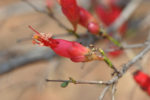
Schotia afra var. afra General Info – summary This plant is endemic in South Africa. The Tree may reach 6m high with rigid branches. Compound paripinnate and alternate Leaves are coriaceous. Attractive, bisexual, usually red and 5-merous Flowers in panicles and up to 5cm long. 10 red filaments surround the single pistil with a superior […]
Erythrina acanthocarpa
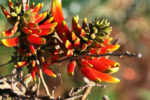
General Info – summary This deciduous Plant is a suffrutex, may reach 2m high and usually a shrub. Deciduous trifoliate Leaves have entire leaflets. Only the bases of the paired leaflets are asymmetric. The zygomorphic 5-merous Flowers are in racemes. The vexillum is tricoloured (red/yellow/green) and filaments are deep red. The superior ovary has an […]
Erythrina abyssinica
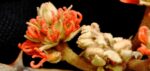
General Info: summary This thickset, deciduous Tree with its soft corky bark & rounded crown is up to 10m high and may have scattered spines. The trifoliate Leaves have leaflets that are 3-veined from the asymmetric base. Bisexual, zygomorphic, orange to scarlet Flowers are hairy & in racemes. 9 joined+1 stamen free, and a superior […]
Ensete ventricosum
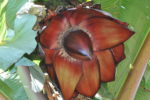
General Info: summary This Tree–like plant is evergreen, non-woody, lacks branches and bark. The trunk may reach 12m high and has densely packed, imbricated petioles bases. Large, simple light green Leaves have a bright red or orange midrib. Lateral veins run parallel up to the margin. Usually, unisexual Flowers occur in spikes. This monocarpic plant has Fruit […]
Englerophytum magalismontanum
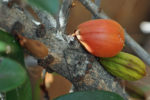
General Info – summary This hardy Tree with light brown or grey bark & a shortish, thick trunk may reach 15m x 30cm. Non-toxic milky latex is released from damaged parts. Simple Leaves are leathery. The surface is glossy dark green above & yellow-orange below. Small, regular, cauliflorous Flowers are bisexual. 5 stamens & a […]
Encephalartos villosus
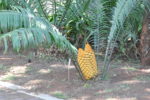
General Info: summary This southern African endemic is an attractive fast growing, dioecious Plant – up to 20cm high with a mainly subterranean stem. The crown of pinnately compound Leaves may reach 6m wide. Leaflets size decreases down the leaf becoming spiny. The up to 5 Male Cones have motile sperm. Pollinators are beetles. Yellow […]